
Applications of Surfactants in Metal Surface Treatment
Surfactants used in metal cleaningMetal surface cleaning involves removing various solid and liquid contaminants such as grease, acids, alkalis, salts, and dust from metal surfaces..Metal cleaners include water-based cleaners, solvent-based cleaners, and alkaline cleaners. Next,let's explore with Qinxiang New Materialsthe applications of surfactants in these cleaning methods..
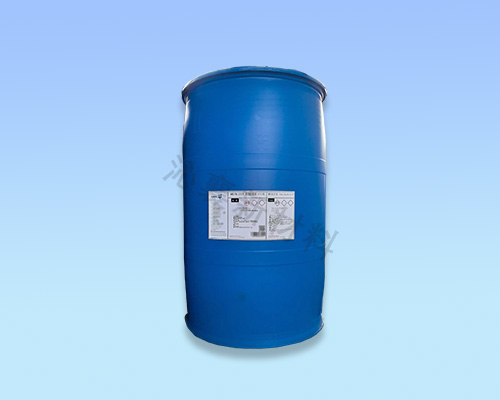
Water-based Cleaners:
The application principle of surfactants in water-based metal cleaners relies on their wetting, penetrating, emulsifying, dispersing, and solubilizing properties, which weaken or counteract the adhesion of oil stains on metal surfaces. Through mechanical and physical methods, the oil is accelerated to detach from the metal surface and enter the wash solution, where it is emulsified, dispersed, suspended, or solubilized into micelles.
Inorganic auxiliaries such as corrosion inhibitors, co-solvents, foam stabilizers, defoamers, and fillers are also added to water-based metal cleaning.
Reference formulation: Nonylphenol polyoxyethylene(20) ether 80%, oleic acid 8%, triethanolamine 8%, boric acid triethanolamide 8%, ethylene glycol monobutyl ether 8%, silicone defoamer 0.2%, balance water; dilute to 5% when used. (Note: The above percentages are by mass.)
Alkaline Cleaners:
Surfactants used in alkaline metal cleanersTo enhance the detergency of alkaline cleaners, a small amount of surfactant is added to emulsify mineral oils that cannot undergo saponification into the wash solution.
Reference formulation: Alkyl sulfonates1%, silicon dioxide 3%, thiourea dioxide 5%, sodium tripolyphosphate 40%, sodium carbonate 51%. (Note: The above percentages are by mass; prepare at 1010-200g/L when used.)
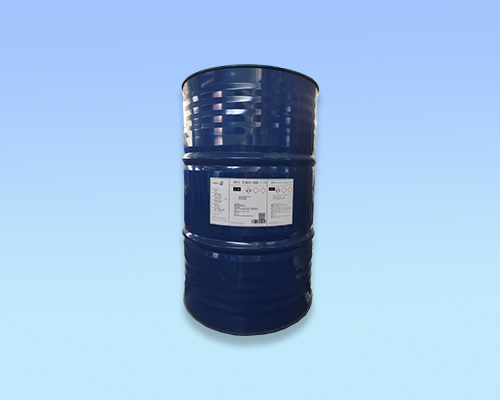
Phosphating Treatment:
Surfactants in the phosphating process promote fine crystallization, compactness, and surface conditioning of the phosphating film.
Reference formulation: Manganese dihydrogen phosphate30-40g/L, zinc dihydrogen phosphate 30-40g/L, zinc nitrate hexahydrate 80-100g/L, sodium nitrite 1-2g/L, sodium nitrate 1g/L, sodium phosphate dodecahydrate 1.58g/L, octylphenol polyoxyethylene (7-8) ether 0.5g/L, sodium bicarbonate 1.58g/L, pine oil 0.5g/L, free acidity 3-5 points, total acidity 60-80 points, time 8 min.
Acid Pickling:
During acid pickling, a large amount of acid mist is generated, which affects workers' health, pollutes the environment, and corrodes plant buildings and equipment. To improve rust removal efficiency and prevent over-corrosion, surfactants are added to sulfuric acid or hydrochloric acid in the pickling solution. This inhibits acid mist, accelerates the pickling speed, and prevents over-corrosion.
Reference formulation: Hydrochloric acid1-10%, nitric acid 1-8%, nonylphenol polyoxyethylene 0.1-20%.
AboutApplications of surfactants in metal surface treatmentThe above is the relevant introduction compiled by Qinxiang New Materials (Guangzhou) Co., Ltd. If you need help, please feel free to contact us.~