Qinxiang Knowledge Booster – Is Your Metal Surface Clean?
The degree of degreasing required for a workpiece surface varies with and is determined by the subsequent operations after degreasing. The cleanliness of a workpiece can be described as a function that changes with the removal of specific surface contaminants such as oil, grease, oxides, or particular soils. Test methods for determining surface cleanliness range from primitive to highly sophisticated. Below are some compiled by Qinxiang New Materials
넶32024-09-05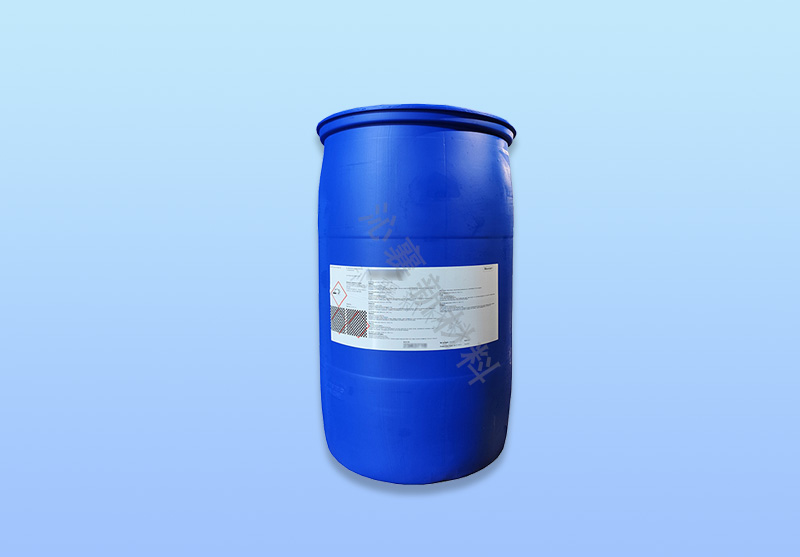
Applications of Nouryon Berol LS High-Efficiency Degreasing Agent Raw Material
For traditional multipurpose cleaning products, their excellent degreasing and stain-removing performance comes from the effective degreasing ingredients they contain, but a higher content of effective ingredients often means more annoying streak residue problems on the cleaned surfaces. The introduction of Berol® LS makes the combination of excellent cleaning power and low residue no longer a magical concept. Berol® LS is a
넶32024-09-05What are the common anionic surfactants?
Anionic surfactants are the class of surfactants with the longest development history, largest output, most varieties, and broadest application. They are the main active components in personal cleansing products such as shampoos, body washes, and hand sanitizers, as well as household cleaning products like dishwashing liquids and liquid detergents, and are also widely used in industrial applications. Let's follow Qinxiang New Materials (Guangzhou) Co., Ltd. to explore sulfonated anionic surfactants.
넶32024-09-05
Applications of Surfactants in Metal Surface Treatment
2024-09-04 | Surfactants are used for metal cleaning. Metal surface cleaning involves removing various oils, greases, acids, alkalis, salts, dust, and other solid and liquid contaminants from the metal surface. Metal cleaning agents include water-based cleaners, solvent-based cleaners, and alkaline cleaners. Below, let us explore with Qinxiang New Materials (Guangzhou) Co., Ltd. the applications of surfactants in these cleaning methods. Water-based cleaning
넶32026-10-20
Ethomeen O/12 High-Efficiency Hydrochloric Acid System Toilet Cleaner Thickener
Toilet cleaners can be broadly categorized into three types based on their formulations: acidic products, neutral products, and alkaline products. Acidic products dominate the market with superior cleaning performance. So how can we make acidic toilet cleaners thicker? Let Qinxiang New Materials introduce you to the solution. Ethomeen O/12 Product Features • Ethomeen O/1
넶32024-09-04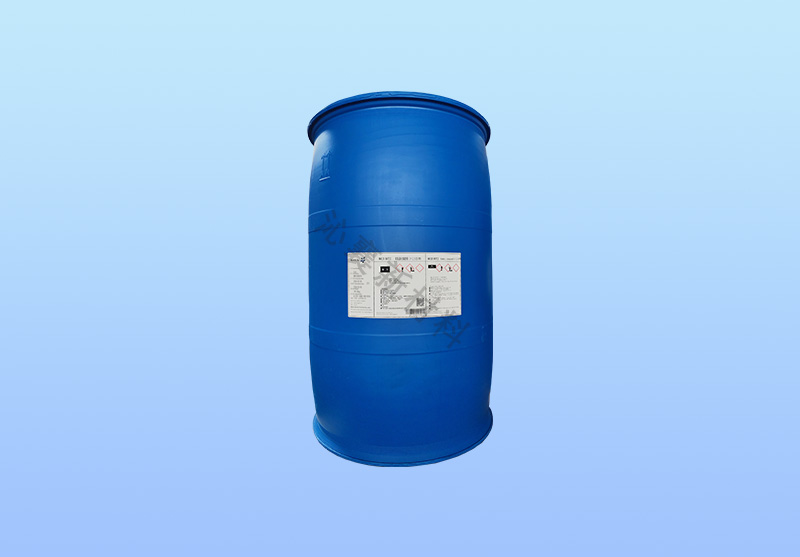
Characteristics of Narrow-Range Isomeric Tridecyl Alcohol Polyoxyethylene Ether
Sasol's MULTISO 13 series of isomeric tridecyl alcohol polyoxyethylene ethers, due to the special multi-branched structure of the raw alcohol (isomeric C13 alcohol), exhibit the following characteristics: 1. Excellent washing and detergency; 2. Superior penetration and outstanding wetting effects; 3. High surface activity and resistance to hard water; 4. Effective over a wide pH range
넶42024-08-30